Unlock Your Driving Potential: Complete Driving Courses for All Experience Levels
In-depth driver training programs are designed for learners at every stage of development. They deliver an organized educational framework that merges classroom instruction with real-world driving. This strategy develops core driving capabilities and advances highway safety. Appreciating what these programs offer can contribute to a stronger sense of capability and assurance on the road. Despite this, many drivers do not recognize the specific features that make these programs effective. What critical aspects should one consider when selecting a driving program?
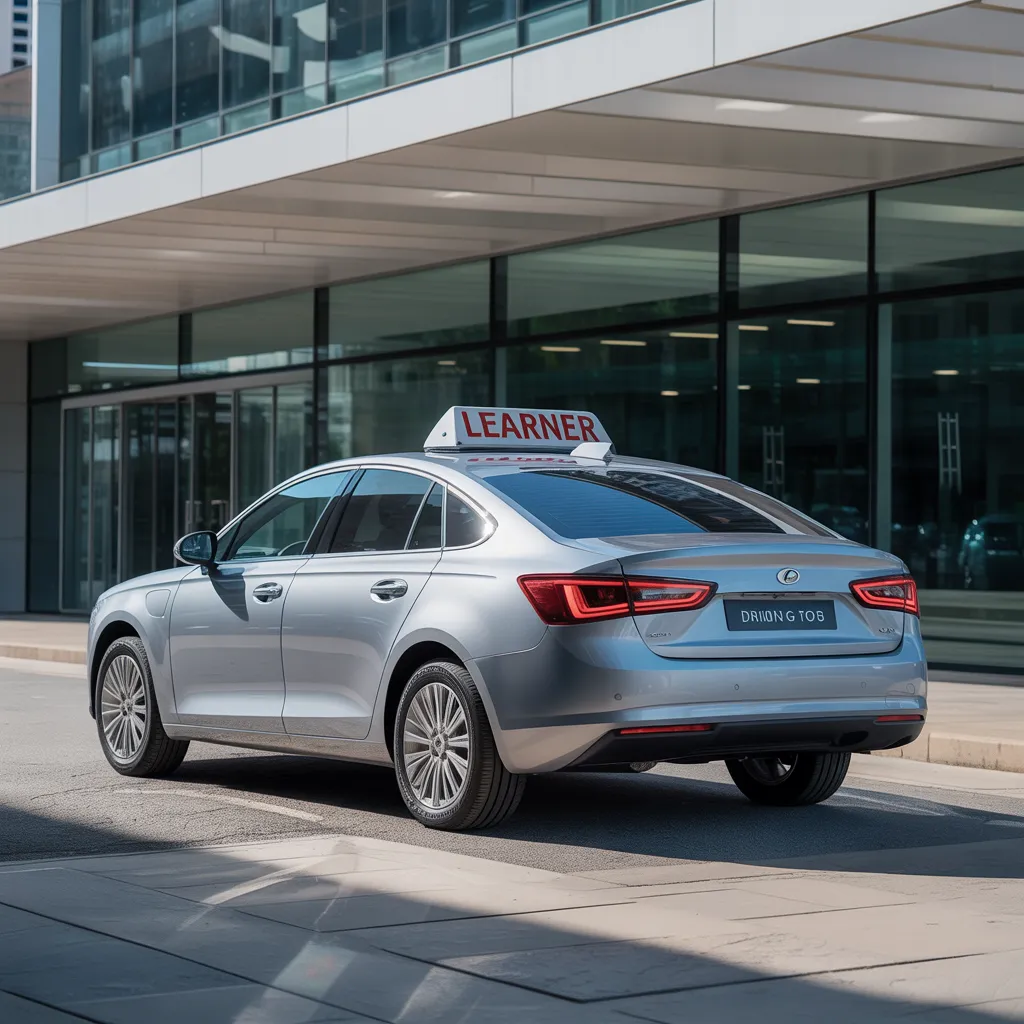
Why Driving Programs Deserve Investment from All
Participating in driving courses acts as a critical cornerstone for improving road safety and encouraging responsible driving practices across various demographics. These programs offer participants the expertise and abilities required to handle demanding traffic situations, thereby lowering the likelihood of accidents. By furnishing drivers with key methods, these courses foster assurance and capability, which are vital for safe driving.
In addition, these programs accommodate different skill levels, ensuring that novice and experienced drivers alike can benefit. This inclusivity is instrumental in addressing specific challenges faced by different demographics, such as young drivers, older adults, and individuals with disabilities. Furthermore, raising awareness about traffic laws and defensive driving approaches highlights the critical nature of shared accountability on the road.
Important Features of Thorough Driving Programs
Thorough driver training programs are developed with a number of key features that meet the needs of diverse drivers. These programs often include individualized lesson plans tailored to specific skill levels, guaranteeing that both inexperienced and skilled drivers get suitable training. Another vital feature is the integration of both academic and hands-on training, permitting participants to grasp fundamental road guidelines alongside real-world practice.
Moreover, comprehensive programs commonly offer versatile scheduling choices, accommodating diverse lifestyles and commitments. Availability of advanced training vehicles featuring cutting-edge safety features elevates the overall learning journey, cultivating confidence in the driving environment.
In addition, experienced instructors with multifaceted backgrounds offer meaningful insights and methods tailored to various learning styles. Ultimately, continuous evaluations and feedback systems ensure that advancement is tracked, empowering drivers to follow their advancement and polish their skills effectively. Combined, these aspects form a solid foundation that improves driving proficiencies across all attendees.
Introductory Driving Programs: Essential Components and Expectations
Beginner driving programs focus on essential skills development, providing new drivers with a reliable groundwork for responsible vehicle operation. These programs generally feature systematic hands-on driving lessons to secure sufficient hands-on experience. Additionally, a strong emphasis on driving safety enables new drivers to manage different driving situations responsibly.
Fundamental Skills Advancement
Introductory driving courses focus on essential skills development to guarantee new drivers acquire the self-assurance and capability required for operating vehicles safely. These programs commonly highlight core skills, including road signs recognition, vehicle control, and traffic awareness. Participants are taught to perform basic maneuvers such as parking, changing lanes, and turning effectively. Additionally, programs often emphasize the value of defensive driving techniques, which assist beginner drivers in identifying and managing potential hazards. Communication skills are also highlighted, teaching students to apply directional signals and remain conscious of surrounding conditions. By fostering these essential skills, beginner driving programs seek to produce responsible drivers who are equipped to handle diverse road conditions and settings with confidence.
Duration of In-Car Instruction
In-car instruction duration in introductory driver education programs generally falls between 10 and 20 hours, based on program curriculum and state regulations. These hours are designed to provide students with hands-on experience behind the wheel, allowing them to apply theoretical knowledge in real-world scenarios. Individual lessons generally run from one to two hours, supporting concentrated practice on targeted driving techniques. During these lessons, instructors focus on key skills including turning, parking, and lane changes. Additionally, the duration can vary based on individual student progress and comfort levels, ensuring personalized instruction that meets each learner's needs. This structured approach helps build confidence and competence, essential for new drivers working toward driving on their own.
Road Safety Priority
Although developing vehicle control skills is important, road safety remains the backbone of any effective introductory driving course. Such programs focus on teaching new drivers the fundamental road regulations, including traffic indicators, signals, and proper driving conduct. Driving educators highlight the importance of defensive driving, prompting students to foresee risks and handle them correctly. Furthermore, courses include instruction on the importance of wearing seatbelts, minimizing distractions, and understanding the risks of impaired driving. Hands-on activities frequently feature situations that replicate actual driving environments, enhancing situational awareness. By addressing these critical aspects, novice driver training programs work to develop conscientious practices that ensure the well-being of drivers and pedestrians alike, ultimately fostering a culture of safe driving from the outset.
Expert-Level Strategies for Seasoned Drivers
Mastering sophisticated methods can improve an skilled driver's capabilities beyond the basics. These skills cover a breadth of abilities intended to improve vehicle control and environmental awareness. For instance, high-level handling skills such as heel-toe gear transitions and maximum braking control enable drivers to maintain perfect velocity and command during demanding road scenarios.
In addition, learning the art of defensive driving can significantly lower the risk of accidents. This involves identifying possible dangers and responding decisively to the behavior of fellow drivers. Seasoned motorists can further improve by sharpening their techniques in harsh weather situations, such as rain or snow, where particular approaches can enhance grip and control.
Beyond this, comprehending vehicular dynamics, including cornering techniques and weight transfer, can result in a significantly enhanced experience behind the wheel. Through integrating such advanced techniques into their set of driving abilities, seasoned drivers can achieve a greater sense of competence and confidence on the road.
Ways Expert Instructors Transform You Into a Better Driver
Skilled instructors develop driving proficiency via personalized instruction techniques designed for specific learning styles. Each trainer's real-world experience provides meaningful guidance extending past theoretical understanding, helping students handle various road conditions. This approach builds heightened self-confidence as well as proficiency behind the wheel.
Customized Learning Approaches
When people look to enhance their driving abilities, customized teaching methods prove vital in tailoring the learning experience to each driver's specific circumstances. Expert instructors assess individual strengths and weaknesses, enabling them to tailor sessions that target particular aspects needing development. This approach fosters a supportive environment where students feel comfortable asking questions and expressing concerns. Teachers may apply multiple training techniques—visual aids, hands-on practice, and simulated scenarios—to improve comprehension and knowledge retention. Additionally, feedback is provided continuously, enabling students to track their progress and make necessary adjustments. By prioritizing personalized instruction, driving programs not only enhance skill mastery but also boost confidence, ultimately leading to safer and more competent drivers on the road.
Practical Experience Insights
Many up-and-coming drivers gain significantly from hands-on experiential knowledge provided by skilled instructors. These experts draw from their extensive backgrounds to provide real-world insights that go beyond classroom instruction. By presenting real-life road scenarios, instructors assist learners in building analytical and rapid response abilities. They emphasize the importance of situational awareness, demonstrating how to foresee and respond to unexpected situations. Educators also provide personal examples that illustrate typical pitfalls, helping drivers steer clear of avoidable mistakes. This practical training strategy cultivates assurance and versatility, essential traits for safe driving. In the end, the mentorship of experienced instructors provides students with the abilities required to navigate diverse driving environments, shaping them into capable and conscientious motorists.
Selecting the Best Driving Program for Your Requirements
How can someone find the most appropriate driver training program for their specific requirements? Drivers should start by examining their present ability level, whether they are beginners, intermediates, or advanced drivers. Each skill level necessitates unique instructional strategies and focal points. Following this, they should consider Driving School their particular objectives—certain individuals may wish to acquire a license, while others may desire to enhance their driving techniques or get ready for particular driving conditions, such as night driving or inclement weather.
Furthermore, prospective students should assess the course content and instructional approaches of different programs. A number of programs prioritize hands-on training, while others might offer theoretical knowledge. Scheduling flexibility, affordability, and accessibility are also essential factors to weigh. Lastly, reading reviews or seeking recommendations can provide insights into the success rate of a program. With a detailed review of these criteria, students can arrive at well-informed choices to identify the driving program that suits their objectives and expectations.

Common Questions and Answers
Are There Driving Programs for Teens and Seniors?
Driving programs are indeed available for both teens and seniors. Such programs are tailored to address varying skill levels, ensuring that participants receive tailored instruction to enhance their driving abilities and boost their confidence on the road.
What Are the Costs Associated With Comprehensive Driving Programs?
The expenses associated with extensive driving programs can vary considerably, generally falling between $200 and $1,500. Factors influencing prices include the area, program duration, and extra offerings such as hands-on driving training or tailored instruction for various skill levels.
How Long Are Driving Programs Usually?
Driver training courses usually run anywhere from a few weeks to several months, depending on the course curriculum and the learner's schedule. Factors like the frequency of lessons and personal progress also affect how long the overall training takes.
Can I Get a Refund if I'm Unsatisfied?
Refund policies vary by program. Typically, dissatisfaction may lead to a partial or full refund, depending on terms outlined during enrollment. We recommend reviewing the particular program's policies for comprehensive refund information.
Are Flexible Scheduling Options Available in Driving Programs?
Numerous driving programs present versatile scheduling arrangements to meet varying needs. This flexibility enables students to pick times that align with their personal timetables, enriching the training experience and simplifying the process for them to attend classes.